Guide to Powder Coating vs Galvanizing for Metal Fences
-
Fences
April 20, 2026
Metal fencing is a long-term investment for every homeowner. Its lifespan depends on so much more than just design or installation. The material itself plays an important role in the performance and durability over time.
Two common fencing options are powder coating and galvanized fencing. The right protection finish can extend the lifespan of your fence, maintaining its value and function for as long as possible. Get to know the difference between powder coating and a galvanized metal fence, and what installation or maintenance looks like.
“Galvanized fencing is best for harsh environments and long-term durability, whereas powder coating is better suited for the average residential project where curb appeal matters.”
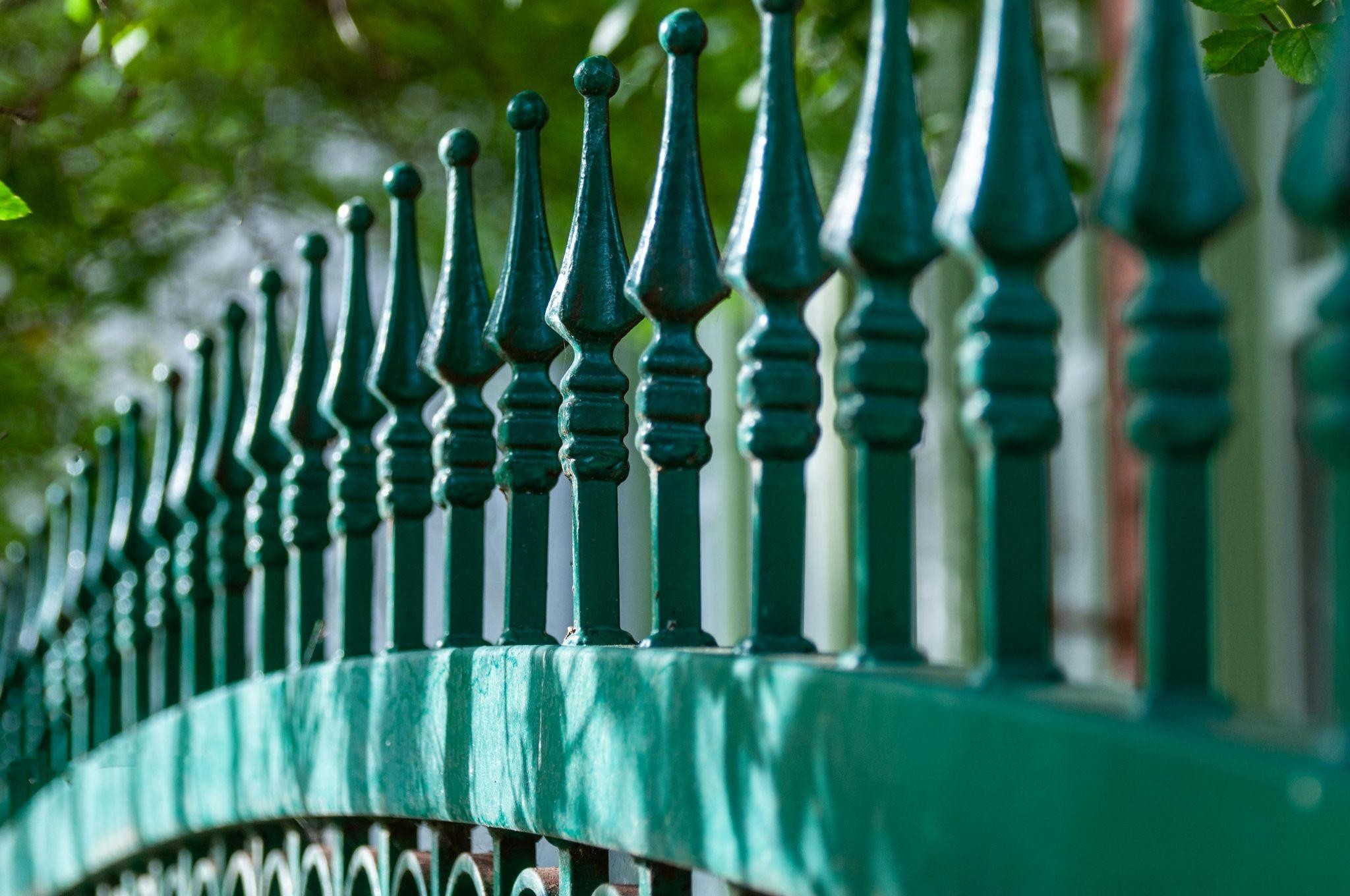
Why Metal Fence Coatings Matter
Metal and wrought iron fencing are always exposed to environmental changes and climate-related pressures. Moisture, heat, oxygen, and debris all contribute to corrosion, weakening the fence’s integrity.
Coatings such as powder coating and galvanization slow oxidation and extend the lifespan of materials. This also slows structural weakening and maintains strength over time. In areas with heavy rainfall or humidity, unprotected metal will quickly build up rust and corrosion.
High-heat regions with lots of sun exposure can break down finishes over time. This leads to cracking, fading, or peeling. With a well-applied fence coating, you can preserve the fence’s appearance and integrity.
More than merely performance, a powder coating or galvanized fencing can also change the appearance of your fence. It adds a layer of visual consistency that aligns with the style of the home, elevating curb appeal.
What Is Galvanizing?
A galvanized metal fence has a protective zinc layer. This is usually applied via a hot-dipping method, where the metal fencing is dunked in molten zinc, creating a bonded coating that becomes one with the fence.
The zinc is self-sacrificial in its protection, corroding before the steel beneath. This protects the structure regardless of any surface-level damage or scratches. This type of coating is a great fit for high-humidity environments or wet climates, and for fences that experience heavy physical wear.
A galvanized metal fence will often last several decades with little maintenance. The increased lifespan makes it a cost-effective and reliable solution.
Powder Coating: What Is It?
Fence powder coating, meaning a powder-based coating is applied to a fence, creates a durable external layer on metal surfaces. Powder coating services (offered by a professional fence company Austin homeowners trust) apply electrically charged powder particles to the metal and cure them under a high-heat source.
The powder coating adheres to the metal’s surface, improving both the performance and appearance of the finished product. Powder-coated fencing is available in a wide range of colors and textures, from matte to glossy, as well as custom options.
Metal or wrought iron fences with a powder coating are more durable than those without. The additional layer resists scratching, chipping, and fading due to damage, exposure, or normal wear and tear. Because it contains fewer volatile organic compounds than liquid coatings, a powdered coating is also an environmentally responsible choice.
Powder Coating Vs Galvanizing: Key Differences
The primary difference is in how they protect the metal underneath. Galvanized metal self-erodes first, where powder-coated metal is an additional layer of protection. Other key differences include:
- Environment: Galvanized metal is preferred in humid, wet, and coastal environments or industrial settings to protect the integrity of the metal structure. Powder-coated fencing is best for mild to moderate climates.
- Durability: A galvanized fence will remain protected even if it has sustained surface damage. Powder-coated fencing is highly durable, but performance depends on the integrity of the coating.
- Appearance: Galvanized steel fencing is usually a matte grey finish, prioritizing function over style. Powder-coated fences have a smooth, uniform finish and come in a wide range of colors and textures.
- Maintenance: Galvanized fences require minimal maintenance over their lifespan, but powder coating may require a few touch-ups after damage or wear.
- Cost: Upfront costs are higher for a galvanized metal fence, but the savings bear out in longevity and durability. Powder coating is a low-cost option upfront with a better visual value.
Which Finish Is Best For Your Metal Fence?
Weigh the pros and cons of your metal or wrought iron fence. Galvanized fencing is best for commercial or industrial properties or homes in harsh environments where long-term durability is the priority. Powder coating is better suited for the average residential project, where costs should be minimal and curb appeal matters.
For all of your wrought iron fence installation Austin needs, contact NW Fence & Iron for durable, professionally finished metal fencing options.
