How Long Does a Fence Really Last? | NW Fence & Iron
-
Fences
March 18, 2026
How long a fence lasts depends on the fencing materials and the environmental conditions of your area. Most fences will last 20 to 50 years or more with regular maintenance and proper installation.
“When choosing materials for durable fences, consider the types and severity of the environmental conditions in which the fence will be installed.”
How Long Does A Fence Last?
Most fencing materials last between 20 and 50 years, or more, depending on materials, installation, maintenance, and environmental factors. In terms of what fence lasts the longest, wrought iron fencing can last 50 to 100 years, when properly maintained.
What Factors Determine Fence Lifespan?
- Quality of Installation: How a fence is installed directly affects its durability, stability, and ability to withstand weather conditions and damage.
- Material Selection: Different materials will last longer than others, for example, wood vs vinyl. Vinyl withstands pests and weather better than wood and will last longer.
- Regular Maintenance: Wood and wrought iron fences last longer when treated and regularly cared for (cleaning, restaining, sealing, checking screws, removing rust, etc.)
- Environmental Factors: Sun exposure, moisture, extreme weather, and soil can all affect a fence’s durability and lifespan.
5 Environmental Factors That Affect Fence Durability
When choosing materials for durable fences for homes and properties, consider the types and severity of the environmental conditions in which the fence will be installed. Choose the one that will be the strongest and last the longest for your area.
- Soil Conditions: Soils with clay or high moisture content can affect wooden fences, and sandy or rocky soil can make it difficult to anchor posts.
- Temperature Range: Fencing materials can expand in extreme temperatures, which can split wood and loosen screws.
- Humidity and Moisture: A wood fence may rot in humid conditions, and iron, metal, or aluminum fences in chronic moisture will rust and corrode.
- Extreme Weather Conditions: Wind, snow, ice, and heavy rains can all impact soil stability and cause some fences to buckle, break, or collapse.
- Pests: Wood fences are especially susceptible to pests such as beetles, ants, and birds. Their attacks can compromise the structural integrity of the entire fence.
Average Fence Lifespan By Material Type
How Long Does A Wood Fence Last?
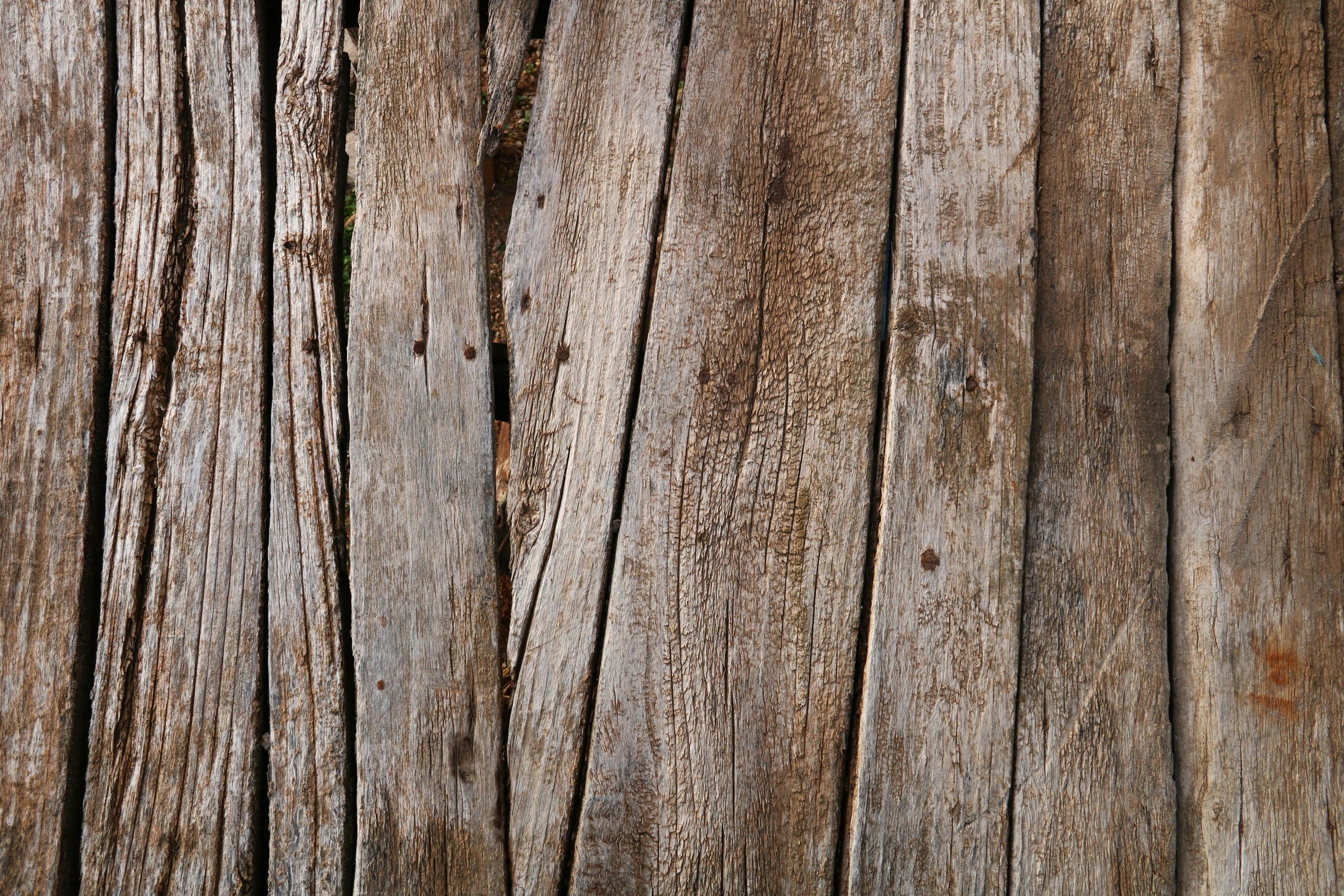
Wood fences are durable and hardy, and can last 15 to 20 years with proper care. Specific timelines will vary based on care and maintenance, weather, whether or not it’s been treated, the type of wood, and any sustained damage.
Signs of significant damage begin to appear after approximately 15 years. Signs include splitting boards or rotting areas after about 15 years.
How Long Does A Vinyl Fence Last?
Vinyl fencing is made from vinyl PVC, which doesn’t rust or rot and doesn’t attract pests in the same way a wooden fence does. A vinyl fence can last anywhere from 20 to 30 years, with some higher-quality materials lasting as long as 50 years.
How Long Does A Chain Link Fence Last?
Vinyl fencing is made from vinyl PVC, which doesn’t rust or rot and doesn’t attract pests in the same way a wooden fence does. A vinyl fence can last anywhere from 20 to 30 years, with some higher-quality materials lasting as long as 50 years.
How Long Does An Aluminum Fence Last?
Aluminum is one of the longest-lasting fence materials available and can last 30, 50, or more years due to natural rust resistance. Most aluminum fencing has a durable powder-coated finish that withstands environmental conditions and prevents warping or rotting.
How Maintenance Impacts Fence Longevity?
Fence maintenance helps ensure the fence lasts as long as possible, no matter the material. As you inspect and clean it, you’ll catch small issues before they become bigger ones.
Care looks different for each type of material. Wrought iron fence maintenance involves regular cleaning with soap and water and removing rust. Wood fence care for all seasons involves repairing damage, re-staining, cleaning, and pest inspections.
Regular maintenance practices include cleaning, staining, sealing, rust checks, replacing or tightening loose screws, and repairing damage. Each intervention can extend the lifespan of any fence and preserve its structural integrity.
When To Repair Vs. Replace An Aging Fence?
The most important factors to consider when deciding whether to repair or replace an aging fence include its age, the extent of any damage, and its overall structural integrity.
If the fence has undergone significant damage due to accidents, weather, or something else, you may only need to replace a section of the fence. But if there is systemic damage or the structural integrity is compromised, it may be time to install a new wood, vinyl, or iron fence in Austin.
Get The Best Fencing Austin Homeowners Trust
Keep your fence in peak condition. Contact NW Fence & Iron for fence maintenance, repair, and replacement services.
