Pros and Cons of a Masonry Fence: Is it Right for You?
-
Fences
-
Fencing
August 19, 2025
Source: Unsplash
If you want a fence that lasts for decades, looks beautiful, and stands up to the rough weather in Central Texas, a masonry fence fits the bill. This type of fencing is built from brick, stone, concrete masonry units (CMUs), or precast concrete, giving you privacy and curb appeal that can last decades.
Masonry fences aren’t ideal for all homeowners, however. Find out the pros and cons of masonry fencing and how to decide if it fits your property and budget.
“If you prioritize privacy, security, long-term value, and a unique look, masonry fences are a good choice.”
What Is Masonry Fencing?
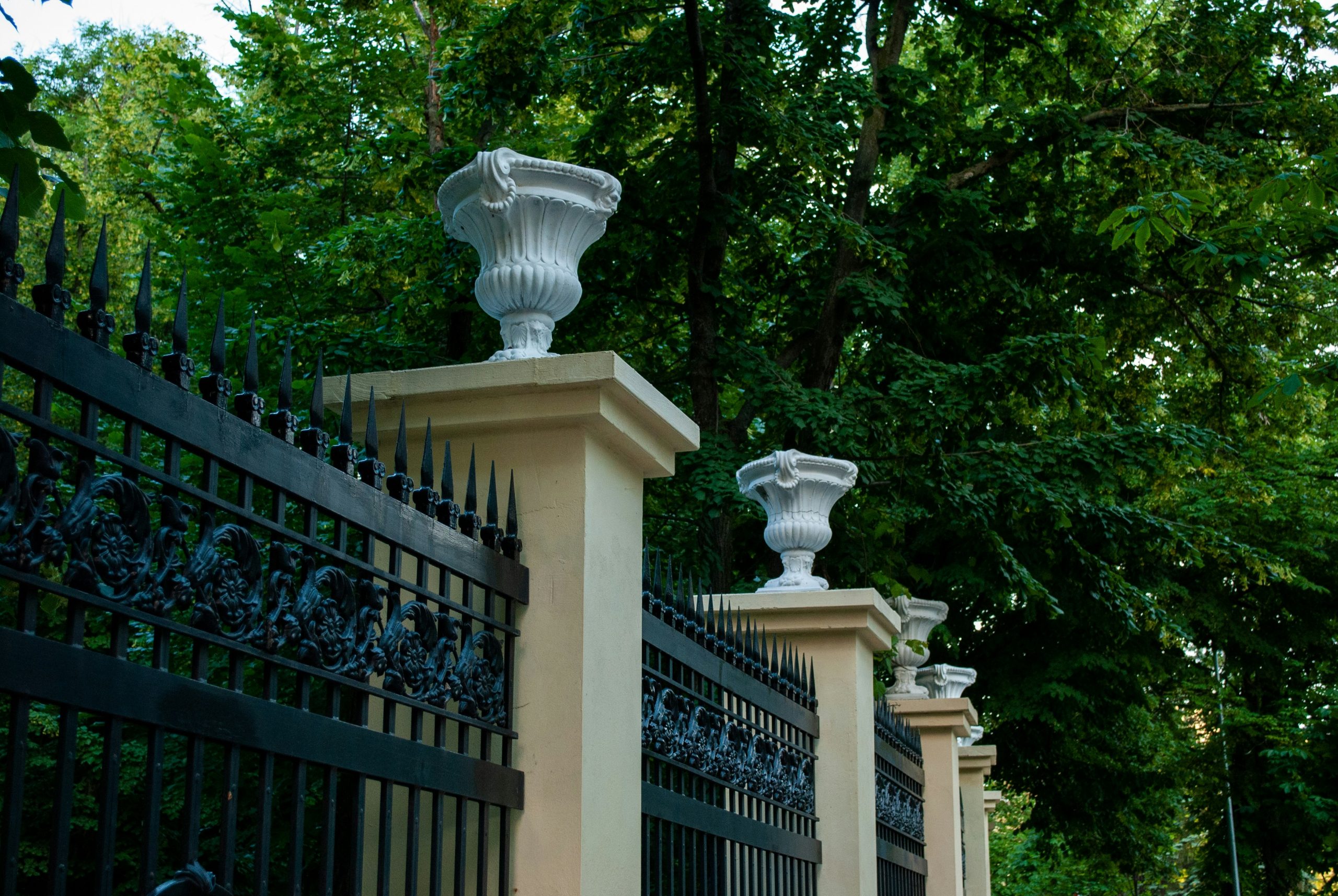
A masonry fence is a permanent barrier or enclosure built with materials like brick, natural or cast stone, CMU block, or precast concrete panels. Surfaces can be left natural, stuccoed, or finished with caps and decorative elements. Masonry fences are often used for:
- Privacy walls around homes or pools
- Security perimeters and wind or noise buffers
- Decorative front yard enclosures that match wrought iron or steel gates
Masonry fences may also be known as masonry wall fences or concrete masonry fences. The designs range from sleek and modern to classic patterns and stone veneer for plenty of customization and creativity.
Pros of Masonry Fences
Durability and Longevity
Masonry stands strong against sun, wind, and pests, giving it an advantage over wood and vinyl. With proper footing, reinforcement, and drainage, a masonry fence can last for decades with little upkeep.
Security and Privacy
Solid walls deter intruders and eliminate sightlines from onlookers. If local regulations permit higher walls, masonry fences can create a completely private backyard oasis with secure gates for access control.
Noise and Wind Reduction
Dense materials absorb sound and block gusts of wind, so masonry fences can be a good choice for patio areas and pools. This is especially true if you live on a busy street with a lot of activity.
Aesthetics and Property Value
A well-designed masonry fence looks custom-made. If you add high-end finishes, caps, or integrated columns, you can boost your home’s curb appeal and perceived value.
Low Maintenance
Masonry fences don’t need annual staining, sealing, and repainting like many wood fences. Your upkeep is occasional cleaning, tuck pointing, or crack repair over the years to maintain its beauty and durability.
Cons of Masonry Fences
Upfront Cost
Masonry fence cost is usually higher than wood or chain link because of the materials, labor, foundation, reinforcement, and finishing work. If you choose complex designs with curves and premium stone or brick, the costs can add up. Installation is also more expensive if you have a challenging property with slopes or poor soil.
Engineering, Permitting, and HOA Considerations
Taller walls and certain soils may require some engineering, adding to the complexity of the project. Most cities have setbacks, height limits, and visibility rules that can affect your fence design. HOA rules and regulations may limit your choice of materials, color, or height.
Time to Build
Compared to prefabricated panels, masonry is more labor-intensive. You have to wait for the footings to cure, block or brick to be laid course by course, and finishing work, so the entire installation typically takes longer than a wood or vinyl fence.
Weight, Footings, and Drainage
Masonry is heavy and needs to be supported with proper footings, rebar, and drainage to prevent settling or cracking. This is especially true for fence installation near tree roots or in clay soil.
Repairs and Matching
If your fence becomes damaged, the repairs are specialized. Matching historic brick or stone veneer may require careful sourcing and craftsmanship from experienced masonry fence contractors.
Cracking and Efflorescence
Minor hairline cracks can appear with settling or heat transfer over time. Efflorescence, a white, powdery deposit, can also occur in porous masonry. While both are manageable, it’s important to be aware of these potential problems.
How to Decide If a Masonry Fence Is Right for You
Not sure if a masonry fence is the right choice? Here are some points to consider:
- Goals: Are you looking for privacy, security, or noise reduction?
- Budget: Are you comfortable investing more upfront for decades of durable fencing and lower annual maintenance?
- Aesthetics: Masonry fencing is adaptable, but do the available designs complement your home’s architecture and landscaping?
- Site and soil: Do you have slopes, trees, easements, or drainage concerns that may affect your fence design?
- Rules and approvals: Are there city height limits, neighbor lines, or HOA guidelines that you need to consider?
- Timeline: Do you have flexibility for permitting and a more detailed build that may take longer?
- Future additions: If you need features like integrated lighting, mail slots, or an automated gate in the future, plan for them now for more cohesive results.
If you prioritize privacy, security, long-term value, and a unique look, masonry fences are a good choice. If your priority is a more affordable upfront cost or fast installation, you may prefer a wood or metal fence. Keep in mind that you can add masonry elements, such as columns, to get the look of masonry fencing with lower costs and less labor.
Work with Trusted Masonry Fence Contractors
Choosing the right masonry fencing contractors is a crucial part of your fence’s longevity. At Northwest Fence & Iron, we have extensive experience with masonry fence design and installation, ensuring you have a beautiful fence that’s built to last. Contact us for a free quote!